

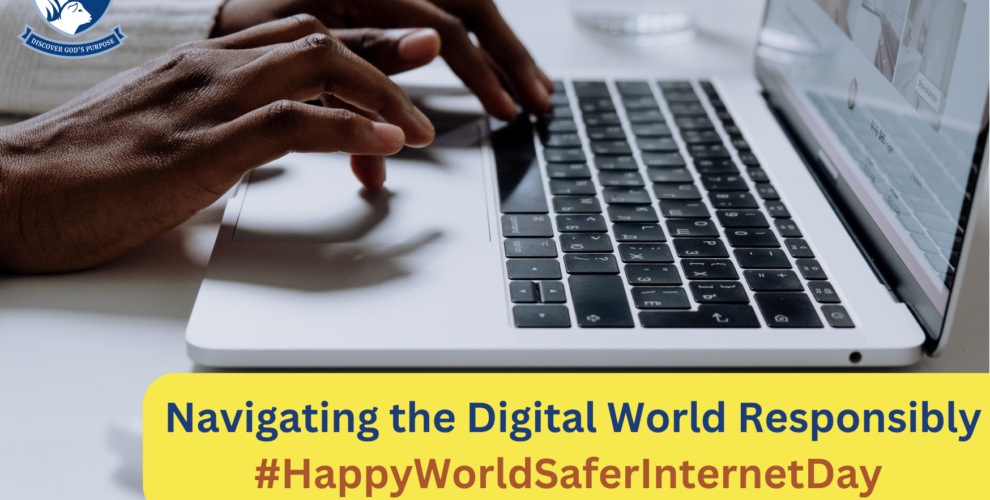
As Head Teacher at Rusinga Schools, I have always championed digital literacy as an essential component of 21st-century education. Our school, like many others across the world, has embraced technology to enhance learning, streamline communication, and expand access to resources beyond the classroom. However, as we mark World Safer Internet Day, I find myself reflecting on a recurring concern among educators and parents alike: how do we ensure that young people navigate the digital world responsibly while still enjoying the opportunities it provides?
My involvement in global education conversations has made it clear that safeguarding in the digital age is no longer just a school policy—it is a shared responsibility among educators, parents, and the students themselves. The increasing integration of social media into young people’s lives has brought about both remarkable opportunities and significant risks. Over the last two years, we have seen an explosion of content creation by young people, many of whom have gained substantial online followings and even financial success. While this creativity is commendable, it has also created pressures to keep up, leading some students to measure their self-worth against the curated success of social media influencers.
As an educator, I have spoken to students who feel the weight of maintaining an online presence, sometimes at the cost of their mental well-being. The instant gratification culture—where likes, comments, and shares dictate a person’s sense of achievement—has raised questions about self-esteem, resilience, and authentic engagement in real-life relationships. Additionally, digital footprints left by young users pose long-term implications on privacy, reputation, and personal security.
At Rusinga Schools, we place a high value on digital citizenship, and we continue to build on our policies to safeguard students while encouraging them to be responsible digital consumers and creators. But schools alone cannot shoulder this responsibility. The wider community—parents, caregivers, and policymakers—must also play an active role in ensuring young people are equipped with the right skills to engage safely and wisely in the digital space.
Here are some of the key ways we can all contribute to safer internet use:
- Open Conversations – Parents and educators must normalise discussions around online safety, digital footprints, cyberbullying, and responsible content sharing. Creating an environment where students feel safe to ask questions or share their concerns is crucial.
- Setting Boundaries – Just as schools set rules around mobile device usage, families must also establish home guidelines on screen time, online interactions, and age-appropriate content. Striking a balance between digital access and offline engagement is essential.
- Digital Well-being Awareness – Encouraging students to take breaks from screens, engage in face-to-face interactions, and pursue offline hobbies is vital for their holistic development.
- Parental Guidance Tools – Parents should make use of available parental control features to monitor internet activity while respecting a child’s growing independence.
- Critical Thinking and Media Literacy – Teaching young people to question the credibility of online content, understand the impact of misinformation, and recognise harmful trends ensures they are not easily influenced by misleading narratives.
- Community Collaboration – Schools, families, and organisations must work together to provide updated resources and workshops on internet safety, ensuring that safeguarding strategies keep pace with technological advancements.
As part of a global network of educators who are constantly learning from one another, I am encouraged by the strides we have made in building a safer digital environment. However, our work is far from done. World Safer Internet Day is a reminder that online safety is not a one-time conversation, but an ongoing commitment.
At Rusinga Schools, we will continue prioritising digital safeguarding, ensuring that every student not only embraces the opportunities of the online world but does so wisely, securely, and with integrity.


